
Turning 50 is an excellent opportunity to reassess everyday habits and make choices that support long-term health and well-being. As the body changes with age, maintaining strength, supporting bone health, managing stress, and getting adequate sleep become increasingly important.
The good news is that healthy ageing does not require a complete lifestyle overhaul. Small, consistent changes to your diet, physical activity, sleep schedule, and daily routine can make a meaningful difference to how you feel and function.
From eating balanced meals and staying physically active to choosing nutritious foods and enjoying natural ingredients in moderation, a practical approach can help you build a healthier lifestyle after 50.
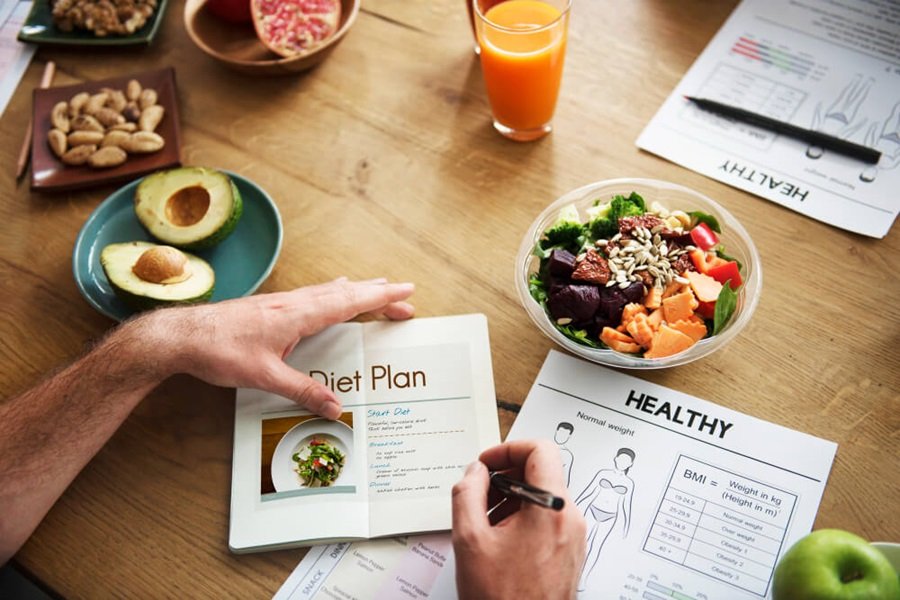
1. Focus on a Balanced and Nutritious Diet
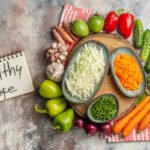
Nutritional needs can change with age. Maintaining a balanced diet helps provide the nutrients required for muscle function, bone health, and everyday activities.
Try to include a variety of foods in your meals:
- Protein-rich foods: Eggs, fish, lean meat, beans, lentils, and dairy products help support muscle maintenance.
- Fruits and vegetables: Provide fibre, vitamins, minerals, and other beneficial plant compounds.
- Whole grains: Oats, brown rice, and whole-wheat products contribute fibre and energy.
- Healthy fats: Nuts, seeds, and suitable vegetable oils provide unsaturated fats.
- Calcium-rich foods: Milk, yoghurt, and suitable alternatives can contribute to bone health.
Regular meals and appropriate portion sizes can also help support energy levels and healthy weight management.
Can Honey Be Part of a Healthy Diet After 50?
Honey can be enjoyed as part of a balanced diet, provided it fits your individual nutritional needs. It contains naturally occurring sugars and can be used to sweeten foods and drinks.
For example, a small amount of natural honey can be added to plain yoghurt, porridge, or a warm beverage. However, honey is still a source of free sugars and should not be considered a substitute for fruit or other nutrient-rich foods.
People managing diabetes or blood glucose levels should account for honey in their overall carbohydrate intake.
2. Stay Physically Active Every Day
Regular physical activity supports mobility, cardiovascular health, balance, and muscle strength. It can also help people maintain independence as they grow older.
A practical weekly routine can include:
- Walking: Start with a comfortable pace and gradually increase your activity.
- Strength exercises: Use resistance bands, light weights, or suitable bodyweight movements.
- Balance exercises: Practise supported balance activities to help maintain stability.
- Stretching: Gentle mobility exercises can help maintain flexibility.
For many adults, public health guidance recommends at least 150 minutes of moderate-intensity aerobic activity each week, alongside muscle-strengthening exercises on two or more days. Start at a level appropriate for your fitness and medical circumstances.
If you have a chronic condition, persistent joint pain, or have been inactive for a long time, ask a healthcare professional how to begin safely.
3. Pay Attention to Bone and Muscle Health
After 50, preserving muscle strength and bone health becomes an important part of healthy ageing.
A combination of resistance exercise, adequate protein, sufficient calcium, and appropriate vitamin D intake can help support these needs.
Simple habits include:
- Include protein sources in your daily meals.
- Perform suitable strength-building activities regularly.
- Spend time outdoors safely, while protecting your skin from excessive sun exposure.
- Discuss bone-health screening and supplements with your healthcare professional when appropriate.
Honey can add flavour to a meal, but it does not provide the protein, calcium, or vitamin D needed to maintain muscles and bones.
4. Maintain Heart Health Through Everyday Choices
Heart health deserves particular attention as people grow older. A heart-friendly lifestyle focuses on food quality, regular movement, adequate sleep, and monitoring important health indicators.
Consider these habits:
Reduce excess salt: Limit heavily salted packaged foods and use herbs and spices to add flavour.
Choose healthier fats: Include suitable sources of unsaturated fats while limiting trans fats and excessive saturated fats.
Eat more fibre: Vegetables, fruit, legumes, and whole grains can contribute to a heart-healthy dietary pattern.
Monitor blood pressure and cholesterol: Follow your healthcare professional’s advice about routine checks.
Avoid smoking: If you smoke, seek support to quit.
Although honey is often promoted as a natural alternative to refined sugar, it remains a source of sugar. Replacing table sugar with honey does not automatically make a diet heart-healthy.
5. Improve Sleep Quality
Sleep patterns can change with age, but consistently poor sleep should not be dismissed as an unavoidable part of getting older.
Most adults need around seven to nine hours of sleep each night, although individual needs vary.
To improve sleep quality:
- Keep a regular bedtime and wake-up time.
- Get daylight exposure during the day.
- Limit caffeine later in the day.
- Reduce screen use close to bedtime if it interferes with sleep.
- Keep your bedroom comfortable, quiet, and dark.
If you regularly experience loud snoring, breathing interruptions during sleep, or persistent daytime tiredness, speak with a healthcare professional.
Honey Before Bed: Is It Necessary?
Some people enjoy a warm drink containing a little honey as part of their evening routine. This may be comforting, but there is insufficient evidence that honey reliably improves sleep in adults over 50.
Avoid adding unnecessary sugar to your diet, particularly if you need to manage blood glucose levels.
6. Stay Hydrated Throughout the Day
Thirst perception can change with age, making it useful to develop regular hydration habits.
Drink water throughout the day and increase your intake when the weather is hot or when physical activity causes additional fluid loss. Fruits, vegetables, soups, and other foods can also contribute to fluid intake.
People who have been advised to restrict fluids because of a medical condition should follow their healthcare professional’s guidance.
For variety, you can enjoy plain water or unsweetened beverages. Adding a small amount of honey is optional, not necessary for hydration.
7. Take Care of Your Mental and Emotional Well-Being
Healthy ageing involves more than physical fitness. Emotional well-being, meaningful relationships, and mental stimulation are also important.
Try to make time for activities that help you feel connected and engaged:
- Stay in touch with family and friends.
- Explore a hobby, such as gardening, music, reading, or cooking.
- Learn a new skill or language.
- Practise relaxation techniques or mindfulness.
- Seek professional support if anxiety, low mood, or loneliness persists.
Consistent social contact and enjoyable activities can make daily life more fulfilling.
8. Choose Natural Foods Wisely
As consumers become more interested in food origins and ingredients, products such as natural honey, forest honey, and Manuka honey may attract attention.
Each variety has its own characteristics, and understanding those differences helps you make informed choices.
Natural Honey
Natural honey is a versatile sweetener that can be used in breakfast foods and selected recipes. Product descriptions and processing methods vary, so review the label before buying.
Forest Honey
Forest honey is generally associated with bees collecting nectar from multiple flowering plants in forest environments. Its taste, colour, and aroma depend on the source and season.
Manuka Honey
Manuka honey is a specialty honey associated with New Zealand and certain regions of Australia. Products carrying verified UMF grades have been assessed under a specific quality-marking system.
A higher UMF grade does not mean the honey is essential for healthy ageing or that eating it will prevent illness.
Organic Honey
If you prefer organic honey, check whether the product carries valid organic certification applicable to the market in which it is sold. The term should not be treated as proof that honey offers superior health benefits.
How to Buy Honey Online
If you plan to buy pure honey online, look for transparent product descriptions, reliable sourcing information, appropriate packaging, batch details, and applicable food-safety information.
A reputable seller should avoid unsupported claims about curing diseases or guaranteeing immunity. Colour, thickness, and simple household tests cannot reliably establish honey purity.
Honey should be consumed in moderation, regardless of the variety.
9. Keep Up With Preventive Health Checks
Routine healthcare becomes increasingly important as you age. Appropriate preventive care can help identify health concerns early and support informed decisions about treatment and lifestyle.
Depending on your personal circumstances, discuss the following with your healthcare professional:
- Blood pressure and cholesterol monitoring.
- Diabetes screening.
- Recommended cancer screenings.
- Vision and hearing assessments.
- Dental care.
- Vaccinations appropriate for your age and health history.
- Bone-health assessments when indicated.
Do not start supplements or stop prescribed medication based on online wellness advice.
10. Create a Sustainable Daily Routine
A healthy lifestyle works best when it is realistic enough to maintain over time. Instead of changing everything at once, begin with a few manageable habits.
Here is an example of a balanced day after 50:
| Time | Healthy habit |
|---|---|
| Morning | Wake up consistently, drink water, and take a walk |
| Breakfast | Eat a balanced meal containing protein and fibre |
| Mid-morning | Take a movement break and stay hydrated |
| Lunch | Include vegetables, protein, and whole grains |
| Afternoon | Enjoy a hobby, social activity, or suitable exercise |
| Evening | Eat a balanced dinner and reduce excessive screen time |
| Before bed | Follow a calming routine and maintain a regular sleep schedule |
Adapt this routine to your work, family commitments, cultural food preferences, and health needs.
Frequently Asked Questions
What is the most important lifestyle change after 50?
There is no single habit that suits everyone. Regular physical activity, balanced nutrition, sufficient sleep, avoiding tobacco, and appropriate preventive healthcare all contribute to healthy ageing.
Is honey good for people over 50?
Honey can be enjoyed in moderation as a sweetener, but it is not a treatment for age-related conditions. People with diabetes or other dietary restrictions should consider their individual needs.
Which honey is best for daily use?
There is no universally best honey. Choose based on taste, product quality, transparent sourcing, and your dietary requirements rather than claims of superior medicinal benefits.
Is Manuka honey necessary for healthy ageing?
No. Manuka honey is a specialty food, not an essential component of healthy ageing. A varied diet and sustainable lifestyle habits are more important.
Can I eat honey every morning?
Many adults can include a small amount of honey in their diet, but daily consumption is optional. Account for its sugar content and prioritise nutrient-rich foods.
Conclusion
Healthy lifestyle changes after 50 are about maintaining strength, protecting long-term health, and enjoying everyday life. Balanced meals, regular exercise, good sleep, hydration, meaningful social connections, and preventive healthcare provide a practical foundation for healthy ageing.
Honey can have a place in this routine as an optional natural sweetener. Whether you prefer natural honey, forest honey, or certified Manuka honey, choose products carefully and enjoy them in moderation.
The most effective approach is to focus on habits you can sustain, make changes gradually, and seek personalised medical advice when needed. Small, consistent steps can help you build a healthier and more active future.