
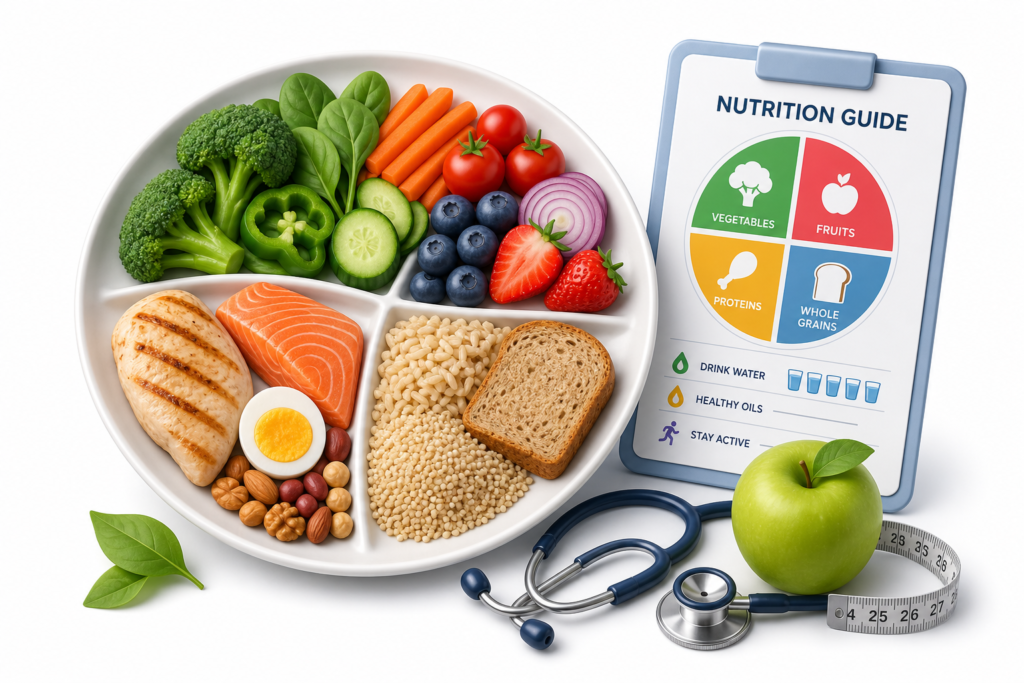

Maintaining a healthy diet is one of the most effective ways to support overall health, improve energy levels, and maintain a balanced lifestyle. The food we eat plays an important role in digestion, immunity, heart health, and overall well-being.
Instead of following complicated diet plans, start by including nutrient-rich, natural foods in your everyday meals. From antioxidant-rich fruits to protein-packed nuts and natural honey, here are 10 foods you should consider adding to your daily diet.
1. Honey – A Natural Sweetener with Antioxidants
Honey is a natural sweetener that has been valued for its nutritional and traditional uses for centuries. It contains natural sugars and small amounts of antioxidants and other plant compounds.
Replacing some refined sugar with honey can be an option for people looking to make small changes to their eating habits. Honey can also be enjoyed with warm water, herbal tea, yoghurt, or breakfast dishes.
Benefits:
- Contains naturally occurring antioxidants.
- Provides a quick source of energy.
- Can be used as an alternative to refined sugar.
- Has traditional uses for soothing coughs.
How to include it: Add a small amount of honey to oatmeal, smoothies, yoghurt, or breakfast bowls. Remember that honey is still a form of added sugar, so moderation is important.
2. Almonds – A Nutrient-Rich Snack
Almonds are packed with healthy fats, plant-based protein, fibre, vitamin E, and magnesium. They make an excellent snack and can support heart health as part of a balanced diet.
Benefits:
- Supports heart health.
- Provides vitamin E and antioxidants.
- Helps you feel full for longer.
- Supplies healthy fats and plant protein.
How to include them: Enjoy a small handful of unsalted almonds as a mid-morning or evening snack.
3. Spinach – A Green Superfood
Spinach is a nutrient-dense leafy vegetable containing iron, folate, vitamin K, vitamin A, and fibre. Adding green vegetables to your meals is an easy way to improve nutritional variety.
Benefits:
- Supports healthy vision.
- Contributes to normal blood cell formation.
- Provides antioxidants.
- Supports bone health.
How to include it: Add spinach to salads, soups, smoothies, curries, or vegetable stir-fries.
4. Eggs – An Excellent Source of Protein
Eggs are an affordable and versatile source of high-quality protein. They also contain vitamin B12, choline, selenium, and other essential nutrients.
Benefits:
- Supports muscle maintenance.
- Provides essential amino acids.
- Supports brain function through choline.
- Helps keep you satisfied after meals.
How to include them: Enjoy boiled eggs, omelettes, or scrambled eggs as part of breakfast or lunch.
5. Blueberries – Rich in Antioxidants
Blueberries are known for their antioxidant content, particularly anthocyanins, which give them their deep blue colour. They also provide fibre and vitamin C.
Benefits:
- Provides antioxidant compounds.
- Supports overall cellular health.
- Contributes to daily fibre intake.
- Adds natural sweetness to meals.
How to include them: Add blueberries to smoothies, oatmeal, yoghurt, or fruit salads.
6. Oats – A Great Source of Dietary Fibre
Oats are a whole grain containing soluble fibre, particularly beta-glucan. This fibre can help support healthy cholesterol levels and digestion.
Benefits:
- Supports digestive health.
- Helps maintain healthy cholesterol levels.
- Provides sustained energy.
- Helps promote fullness.
How to include them: Prepare oatmeal for breakfast or add oats to smoothies, homemade snacks, and healthy breakfast bowls.
7. Walnuts – Good for Brain and Heart Health
Walnuts are rich in plant-based omega-3 fatty acids, fibre, antioxidants, and healthy fats. They are a nutritious addition to a balanced diet.
Benefits:
- Provides plant-based omega-3 fats.
- Supports heart health.
- Contains antioxidants.
- Provides essential nutrients for overall wellness.
How to include them: Eat a small handful of walnuts or add chopped walnuts to salads, oatmeal, and smoothies.
8. Curd or Greek Yoghurt – Supports Gut Health
Curd and yoghurt are valuable sources of protein and calcium. Some varieties also contain live beneficial bacterial cultures that support gut health.
Benefits:
- Provides calcium for healthy bones.
- Supplies protein.
- May support a healthy gut microbiome.
- Supports overall digestive health.
How to include it: Enjoy plain curd with lunch or use unsweetened Greek yoghurt in smoothies and breakfast bowls.
9. Sweet Potatoes – A Healthy Source of Energy
Sweet potatoes are rich in complex carbohydrates, fibre, potassium, and beta-carotene. They provide energy while contributing important vitamins and minerals to your diet.
Benefits:
- Provides beta-carotene, which the body converts into vitamin A.
- Supports healthy vision.
- Provides dietary fibre.
- Contributes to digestive health.
How to include them: Enjoy boiled, steamed, or roasted sweet potatoes as part of lunch or dinner.
10. Amla – A Vitamin C Powerhouse
Amla, also known as Indian gooseberry, is a traditional Indian fruit known for its high vitamin C content. It also contains various antioxidant plant compounds.
Benefits:
- Provides vitamin C.
- Supports normal immune function.
- Helps protect cells from oxidative stress.
- Supports collagen production.
How to include it: Enjoy fresh amla, add it to salads, or consume it as part of a balanced meal.
Final Thoughts: Build a Healthier Diet One Food at a Time
A healthy diet does not require expensive supplements or complicated meal plans. Simple everyday food choices can make a meaningful difference to your overall well-being.
Include a variety of fruits, vegetables, whole grains, nuts, protein-rich foods, and natural ingredients such as honey in your daily meals. Focus on moderation, balance, and consistency rather than relying on a single food for health benefits.
Remember: Honey, nuts, fruits, and vegetables can all contribute to a healthy eating pattern, but no single food can replace a balanced diet and healthy lifestyle.