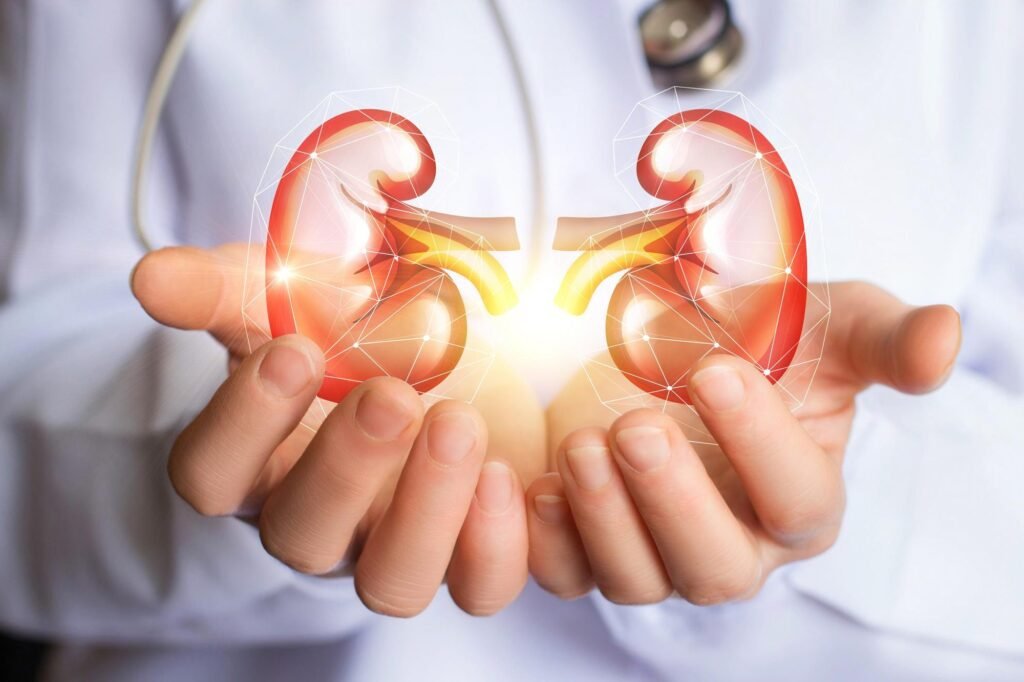

The kidneys play an important role in maintaining the body’s internal balance. They filter waste from the blood, regulate fluid levels, and help maintain appropriate levels of minerals and electrolytes.
Because of this, kidney health is closely connected with everyday habits such as diet, hydration, physical activity, blood-pressure management, and blood-sugar control.
People searching for natural solutions for kidney issues should be careful with online claims. There is no single food, drink, herb, or supplement that can cure kidney disease. In fact, people with chronic kidney disease (CKD) may have very different nutritional requirements depending on their condition and laboratory results.
1. Stay Properly Hydrated
Adequate hydration is important for normal kidney function. For people prone to kidney stones, drinking enough fluid—primarily water—is one of the most important dietary measures for prevention.
However, more water is not always better.
People with advanced kidney disease or kidney failure may need to restrict fluids because damaged kidneys may not be able to remove excess fluid effectively. The appropriate amount should therefore be discussed with a healthcare professional.
2. Reduce Excess Sodium
A high-sodium diet can contribute to fluid retention and high blood pressure, both of which can place additional stress on the kidneys.
Reducing heavily salted and highly processed foods is therefore an important part of a kidney-conscious lifestyle. NIDDK recommends limiting sodium and choosing fresh foods more often.
Try replacing excess salt with:
- Herbs
- Spices
- Lemon juice
- Garlic
- Fresh vegetables
- Homemade seasonings
3. Choose a Balanced Diet
There is no universal kidney-friendly diet that works for everyone.
Depending on kidney function, a person may need to adjust their intake of sodium, potassium, phosphorus, protein, calories, or fluids. These requirements can also change as kidney disease progresses.
A generally healthy dietary pattern can include appropriate portions of:
- Fresh vegetables
- Fruits suitable for the individual’s kidney diet
- Whole grains where appropriate
- Healthy fats
- Appropriate protein sources
- Minimally processed foods
Anyone with diagnosed CKD should discuss specific food choices with a kidney specialist or renal dietitian.
4. Be Careful With Protein
Protein is an essential nutrient, but people with kidney disease may need to pay attention to both the amount and source of protein.
The kidneys remove waste produced when protein is metabolized. Depending on the stage of CKD, some people may benefit from moderate protein intake, while people receiving dialysis can have different protein requirements.
Therefore, high-protein diets should not automatically be considered beneficial for everyone concerned about kidney health.
5. Limit Highly Processed Foods
Packaged and processed foods can contain substantial amounts of sodium and phosphorus additives.
Checking ingredient lists can help consumers identify added phosphorus compounds, while choosing more fresh or minimally processed foods can make it easier to control sodium intake.
Simple home cooking also gives you greater control over salt, sauces, and other ingredients.
6. Maintain a Healthy Weight and Stay Active
Lifestyle habits can influence several conditions that are associated with kidney disease, including high blood pressure and diabetes.
Regular physical activity, a healthy weight, and balanced eating are therefore important components of natural kidney health support. NIDDK recommends healthy eating, physical activity, maintaining a healthy weight, and managing conditions such as diabetes and high blood pressure to help protect kidney health.
7. Don’t Assume Herbal Remedies Are Safe
“Natural” does not automatically mean safe for people with kidney problems.
Herbal products and dietary supplements can interact with medicines or contain substances that may be inappropriate for people with impaired kidney function. NIDDK specifically advises people to discuss dietary supplements and complementary or alternative treatments with a healthcare professional.
This is particularly important if you have CKD, kidney stones, reduced kidney function, or are receiving dialysis.
8. What About Honey for Kidney Health?
Honey is a food rather than a kidney treatment.
It can be used as a sweetener in appropriate portions, but there is not enough evidence to describe ordinary honey as a treatment for kidney disease.
For people managing kidney disease, the more important consideration is the overall dietary pattern and individual nutritional requirements. Honey also contains sugars, so people with diabetes or blood-sugar concerns should account for it within their overall diet.
Interestingly, the National Kidney Foundation lists honey among foods that can provide calories for some people with kidney disease who need help increasing calorie intake. That does not mean honey treats kidney disease; its role depends on the individual’s nutritional needs.
Kidney Stones Are Different From Chronic Kidney Disease
It is important not to treat all kidney issues as the same condition.
For example, dietary strategies for preventing kidney stones can differ from nutritional management of chronic kidney disease.
For people with kidney stones, adequate fluid intake is particularly important, while dietary recommendations may depend on the type of stone. Sodium, animal protein, calcium, and oxalate intake may all be relevant depending on the individual’s stone history.
Someone with CKD, meanwhile, may need individualized restrictions involving sodium, potassium, phosphorus, protein, or fluids.
When Should You Seek Medical Advice?
Natural lifestyle changes should complement—not replace—appropriate medical evaluation.
Speak with a healthcare professional if you have:
- Persistent changes in urination
- Blood in the urine
- Swelling in the legs, feet, or face
- Repeated kidney stones
- Persistent flank or back pain
- Recurrent urinary infections
- High blood pressure
- Diabetes
- Abnormal kidney-function test results
Early kidney disease may have few or no obvious symptoms, so people at increased risk may need appropriate testing.
A Simple Kidney-Conscious Lifestyle
A practical daily routine can focus on:
Eat well → Reduce excess salt → Stay appropriately hydrated → Stay active → Maintain a healthy weight → Manage blood pressure and blood sugar → Avoid unnecessary supplements → Get appropriate kidney checks
The exact diet should be personalized when kidney disease is already present.
Final Thoughts
The best natural solutions for kidney health are not miracle foods or quick detox remedies. They are sustainable habits that support overall health: balanced nutrition, appropriate hydration, lower sodium intake, physical activity, healthy weight management, and good control of conditions such as diabetes and high blood pressure.
If you already have kidney disease, kidney stones, or reduced kidney function, avoid following a generic “kidney detox” or restrictive diet without professional guidance. A doctor or renal dietitian can use your kidney function, blood tests, medications, and medical history to determine what is appropriate for you.