
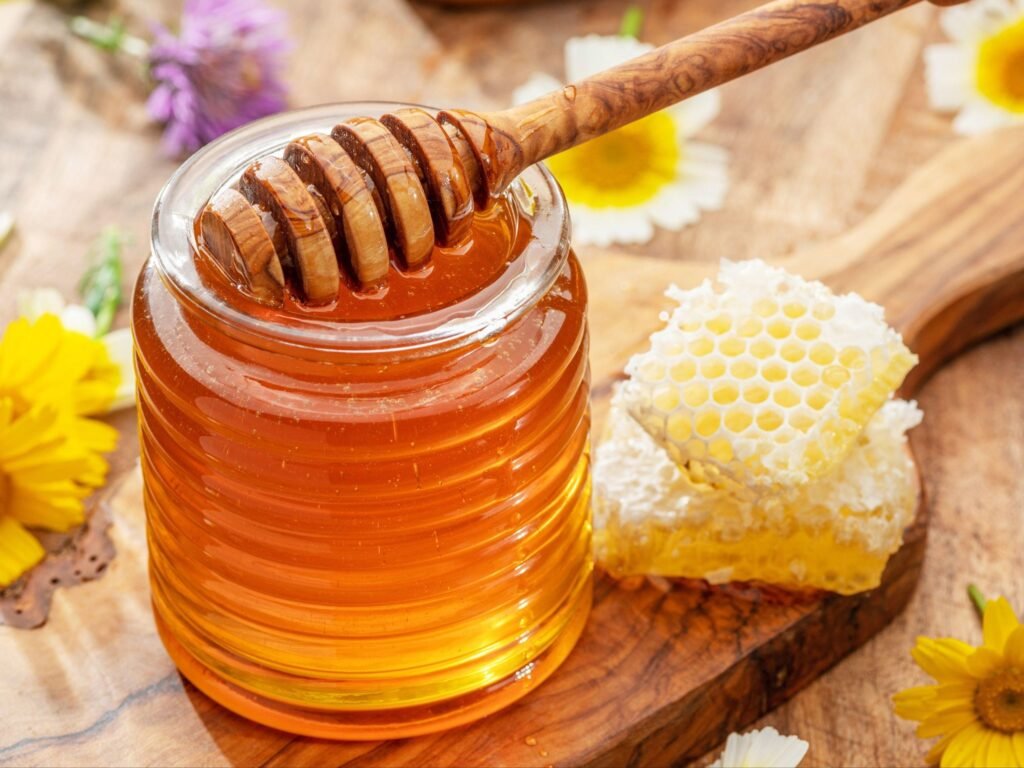

Honey has been valued for centuries as a natural food with a distinctive taste, aroma and composition. However, not all honey is produced by the same type of bee. While most people are familiar with honey produced by common honey bees, another variety stingless bee honey has gained increasing attention among honey enthusiasts and consumers interested in exploring traditional and regional honey varieties.
In Kerala, stingless bee honey is commonly associated with the term cheruthen, referring to honey collected from small stingless bees. Its distinctive flavour, consistency and traditional importance make it quite different from many regular honey varieties.
This article explores the key differences between stingless bee honey, cheruthen and regular honey, helping consumers better understand these unique natural products.
What Is Stingless Bee Honey?
Stingless bee honey is produced by species of small bees belonging primarily to the Meliponini group. Unlike conventional honey bees, these bees are extremely small and do not have a functional sting for defence.
Stingless bees can be found in tropical and subtropical regions around the world, including parts of India. In Kerala and other South Indian regions, the honey produced by these small bees has traditionally been valued as a rare and distinctive type of honey.
One reason stingless bee honey is often considered special is its limited production. Stingless bees generally produce much smaller quantities of honey compared with conventional honey bees. This makes the harvesting and availability of stingless bee honey more limited.
What Is Cheruthen?
Cheruthen is a Malayalam term commonly used in Kerala to describe honey associated with small stingless bees. The word is familiar to many households because of its traditional use and cultural connection with natural honey.
The characteristics of cheruthen can vary depending on factors such as:
- The species of stingless bee
- Local flowering plants
- Seasonal conditions
- Geographic location
- Nectar availability
As a result, cheruthen from one region may have noticeable differences in taste, colour and aroma compared with stingless bee honey collected from another location.
How Is Regular Honey Different?
Regular honey is generally produced by conventional honey bee species such as Apis cerana and Apis mellifera. These bees collect nectar from flowering plants and convert it into honey, which is stored in wax combs.
The term “regular honey” can include many different varieties, such as:
- Multiflora honey
- Forest honey
- Wildflower honey
- Monofloral honey
- Litchi honey
- Jamun honey
- Tulsi honey
Because regular honey can come from different floral sources, its taste and colour may vary significantly.
Stingless Bee Honey vs Regular Honey: Key Differences
1. The Type of Bee
The most obvious difference is the type of bee producing the honey.
Stingless bee honey is produced by small stingless bees, while most regular honey is produced by conventional honey bee species.
This difference in bee species can influence the way honey is stored, processed and developed inside the colony.
2. Taste and Flavour
Stingless bee honey often has a more complex flavour profile. Many people describe it as having a combination of sweet, tangy and mildly acidic notes.
Regular honey is usually known for a predominantly sweet flavour, although the exact taste depends greatly on the flowers from which the bees collect nectar.
For example, forest honey may have deeper and stronger flavour notes, while litchi honey can have a lighter and more delicate taste.
3. Consistency and Texture
One of the noticeable characteristics of stingless bee honey is its relatively thin or fluid consistency. It can contain more moisture than many conventional honey varieties.
Regular honey is often thicker, although its consistency can also vary depending on the floral source, moisture content and storage conditions.
Consumers should understand that consistency alone is not enough to determine the quality or authenticity of honey. Natural variations can occur between different honey types.
4. Colour
Both stingless bee honey and regular honey can vary in colour.
Stingless bee honey may range from light golden shades to darker amber tones. Similarly, regular honey can range from almost transparent to deep brown.
The colour of honey is influenced by several factors, particularly the flowers and plants visited by the bees.
5. Production Quantity
Stingless bee honey is generally produced in smaller quantities compared with conventional honey.
A regular honey bee colony can store relatively larger amounts of honey, while stingless bee colonies usually produce smaller volumes. This limited production is one reason why stingless bee honey can be more difficult to find and may be priced differently from commonly available honey varieties.
Why Is Kerala Honey So Diverse?
Kerala honey can include a wide range of varieties because the region has diverse vegetation, forests, plantations and flowering plants.
Honey collected from different parts of Kerala may vary depending on the local ecosystem. Bees may collect nectar from wild plants, forest flowers, cultivated crops and other flowering sources.
This diversity creates opportunities to explore different honey profiles, including:
- Stingless bee honey or cheruthen
- Forest honey
- Wild honey
- Multiflora honey
- Regional floral honey varieties
The local environment plays an important role in determining the final characteristics of honey.
Is Stingless Bee Honey Better Than Regular Honey?
It is difficult to say that one type of honey is universally “better” than another.
Stingless bee honey and regular honey have different characteristics. The best choice may depend on what the consumer is looking for.
Someone interested in discovering rare and regional honey varieties may enjoy the distinctive character of cheruthen. On the other hand, consumers looking for a particular floral taste may prefer a monofloral honey such as litchi, jamun or tulsi honey.
Rather than comparing them simply as better or worse, it can be more useful to appreciate them as different types of honey with their own origins, flavours and characteristics.
How to Choose Stingless Bee Honey
When purchasing stingless bee honey or cheruthen, consumers should pay attention to the source and available product information.
Consider checking:
- The type of honey and bee source
- The geographic origin
- Information provided by the seller
- Storage recommendations
- Harvesting and handling practices
- Any available quality testing or certification
Because stingless bee honey is produced in smaller quantities, consumers should be especially careful about understanding the source of the product.
Exploring Different Types of Honey
The growing interest in specialty honey has encouraged more people to explore varieties beyond conventional table honey.
From stingless bee honey and Kerala honey to forest and monofloral varieties, each type can offer a different sensory experience.
The floral source, bee species, climate and geography all contribute to the final characteristics of honey. Exploring these differences can help consumers better appreciate the diversity found in natural honey.
Conclusion
The comparison between stingless bee honey vs regular honey reveals that honey can vary considerably depending on the bees and environment involved in its production.
Known in Kerala as cheruthen, stingless bee honey is valued for its distinctive flavour, limited availability and traditional connection with the region. Regular honey, meanwhile, includes a broad range of varieties produced by conventional honey bees and influenced by different floral sources.
Neither type needs to replace the other. For many honey enthusiasts, exploring both can be an interesting way to discover how bee species, flowers and geography influence one of nature’s most diverse foods.
Whether you are interested in stingless bee honey, cheruthen or Kerala honey, learning about the origin and characteristics of each variety can help you make a more informed choice and appreciate the remarkable diversity of honey.